





Introduction
Artificial Intelligence is no longer a futuristic concept — it’s our daily reality. At the heart of this AI revolution stands OpenAI, a company that has transformed the way people work, learn, and live. From the release of GPT models to creative tools like DALL·E, OpenAI has made advanced AI accessible to everyone.
In 2025, OpenAI is not just innovating but also setting global standards for responsible AI. Whether you’re a student, business owner, developer, or content creator, OpenAI’s tools are shaping your future in ways you might not even realize.
This article takes a deep dive into OpenAI 2025, exploring its history, breakthroughs, real-world applications, competition, ethical challenges, and what lies ahead.
A Brief History of OpenAI
Founded in December 2015, OpenAI began as a non-profit research organization with a bold mission: to ensure that artificial general intelligence (AGI) benefits all of humanity. Backed by visionaries like Elon Musk, Sam Altman, and Reid Hoffman, OpenAI quickly rose to prominence in the AI research space.
Key milestones before 2025 include:
- 2018 – GPT Release: The first Generative Pre-trained Transformer (GPT) model, showing AI’s ability to understand and generate human-like text.
- 2020 – GPT-3: A landmark release with 175 billion parameters, powering applications from chatbots to creative writing tools.
- 2021 – Codex & DALL·E: Codex brought AI into programming, while DALL·E created stunning AI-generated images.
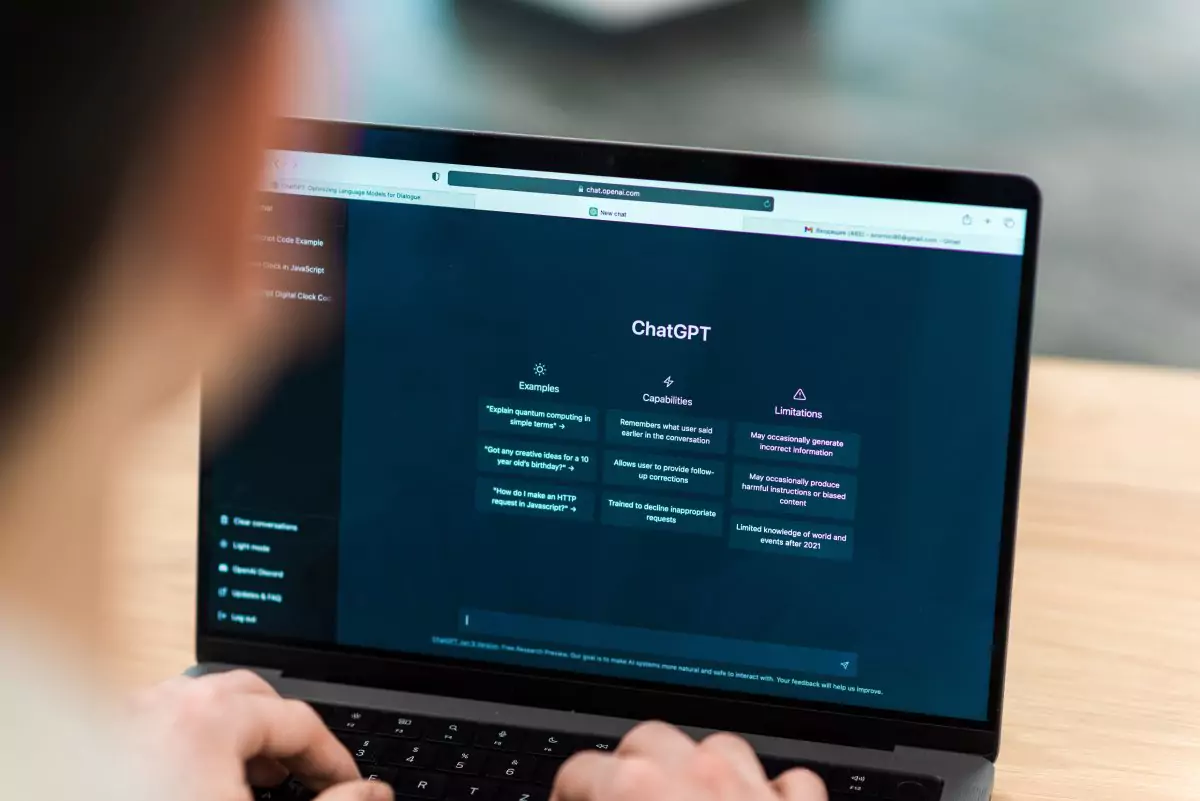
- 2022 – ChatGPT Launch: The ChatGPT app became the fastest-growing consumer app in history, reaching 100M users in 2 months.
- 2023 – GPT-4: A major leap in reasoning, context understanding, and multimodal capabilities.
- 2024 – Whisper 2 and AI Partnerships: Expanding into voice AI and building partnerships with governments, educators, and industries.
By 2025, OpenAI isn’t just a company — it’s a global AI ecosystem influencing startups, educators, enterprises, and even governments.
OpenAI in 2025: Key Innovations
OpenAI’s 2025 portfolio demonstrates its focus on multimodal intelligence, human-AI collaboration, and responsible scaling. Here’s what’s new:
1. GPT-5: The Next Leap in Reasoning
GPT-5 is more than a language model; it’s a reasoning engine. Unlike earlier models, it can:
- Process text, images, and audio seamlessly.
- Generate step-by-step problem-solving explanations.
- Assist in advanced domains like law, research, and medicine.
👉 Example: A researcher can upload a medical dataset, and GPT-5 can suggest hypotheses, cite references, and generate visualizations.
2. DALL·E 4: Ultra-Realistic AI Art
The 2025 version of DALL·E generates:
- 4K-resolution images with lifelike textures.
- Interactive 3D models for gaming and product design.
- AI-powered editing tools rivaling Photoshop.
3. Whisper 3: Voice AI at Lightning Speed
OpenAI’s Whisper 3 sets new standards in transcription and translation. It can:
- Convert speech to text with near-human accuracy.
- Translate in real time across 60+ languages.
- Power accessibility apps for hearing-impaired users.
4. Codex Upgrades: Smarter Coding Assistants
Developers in 2025 rely on Codex to:
- Debug code automatically.
- Generate APIs based on natural language.
- Learn programming faster through AI guidance.
(See our guide on building websites with HTML, CSS, and JavaScript)
5. AI Search Assistants
OpenAI is reshaping search. Instead of “10 blue links,” AI assistants deliver direct, contextual answers — challenging Google’s dominance.
(Learn why AI search may replace traditional SEO)
OpenAI vs Competitors
While OpenAI dominates consumer AI, it faces stiff competition in 2025:
- Google DeepMind: Leading in reinforcement learning and healthcare AI.
- Anthropic: Prioritizing safe and constitutional AI frameworks.
- Meta AI: Focused on open-source models like LLaMA.
👉 Did you know? OpenAI is unique in balancing commercial success with a commitment to global safety and accessibility.
(Read how startups can use AI without big budgets)
Applications of OpenAI in Real Life
OpenAI’s technology impacts nearly every sector in 2025:
1. Startups & Small Businesses
AI tools automate customer service, marketing, and analytics.
(Learn how AI helps small businesses compete with giants)
2. Education
Teachers craft lesson plans, students get AI-powered tutors, and universities use AI for plagiarism checks.
(Explore AI in learning)
3. Healthcare
From drug discovery to patient monitoring, AI speeds up breakthroughs.
4. Content Creation
Writers, designers, and YouTubers generate content faster using GPT-5 and DALL·E 4.
(Discover AI for personal productivity)
5. Government & Policy
Governments use OpenAI for climate data analysis, public policy modeling, and communication tools.
Ethical Challenges & Safety Concerns
Despite its progress, OpenAI faces critical ethical questions in 2025:
- Bias in AI outputs – Ensuring fairness across demographics.
- AI in misinformation – Preventing deepfakes and harmful content.
- Data privacy – Balancing personalization with user protection.
- Job disruption – Reskilling workers as automation expands.
OpenAI invests heavily in alignment research, global safety boards, and regulatory collaboration to address these challenges.
(See global digital economy updates)
Did You Know?
💡 OpenAI’s ChatGPT app was the fastest-growing consumer app in history, reaching 100 million users in just two months — faster than TikTok or Instagram.
The Future Beyond 2025
What comes after OpenAI 2025?
- AGI Development: Moving closer to human-level AI that can generalize across domains.
- Global Partnerships: Collaborations with governments and NGOs.
- AI for Creativity: More tools for artists, writers, and filmmakers.
- AI Regulation: Laws to balance innovation with ethics.
The future of AI isn’t just about smarter machines — it’s about building a more productive, inclusive, and human-centered world.
YouTube Video: OpenAI 2025 in Action
External Resources
FAQs About OpenAI 2025
Q1. What is OpenAI in 2025 best known for?
A: GPT-5, AI copilots, and global AI adoption.
Q2. How does OpenAI help startups?
A: By offering APIs for automation, analytics, and affordable innovation.
Q3. Is OpenAI replacing Google Search?
A: Not entirely, but AI search assistants are challenging traditional SEO.
Q4. Can OpenAI tools be used in education?
A: Yes, from lesson planning to AI-powered tutors.
Q5. Is OpenAI free to use?
A: ChatGPT has a free version, but advanced features are premium.
Q6. How safe is OpenAI technology?
A: OpenAI invests in alignment, safety checks, and ethical frameworks.
Q7. What industries benefit most from OpenAI?
A: Education, healthcare, startups, media, and small businesses.
Q8. How does OpenAI compare to Anthropic and Google DeepMind?
A: OpenAI leads in consumer apps, while rivals compete in research and enterprise AI.
Q9. Can individuals make money with OpenAI?
A: Yes — through AI apps, content creation, coding assistants, and automation.
Q10. What’s next for OpenAI after 2025?
A: Expect deeper multimodal AI, more reasoning power, and global AI partnerships.